

Rejection is an unavoidable part of dating. Whether it’s being left on read, getting ghosted after what seemed like a great date, hearing “I’m just not feeling the connection,” or simply realizing someone doesn’t want the same things you do, almost everyone who dates experiences it.
For many gay men, rejection can hit especially hard. Dating apps can make it feel like you’re constantly being evaluated, compared, or dismissed in a matter of seconds. If you’re already feeling lonely or struggling with self-esteem, it’s easy to start believing that every rejection says something fundamental about your worth. While rejection is painful, it doesn’t have to erode your confidence or define how you see yourself. Here’s what I recommend to clients to keep your self-esteem intact while navigating the ups and downs of dating.
Maintain a Sense of Self Outside of Sex and Dating
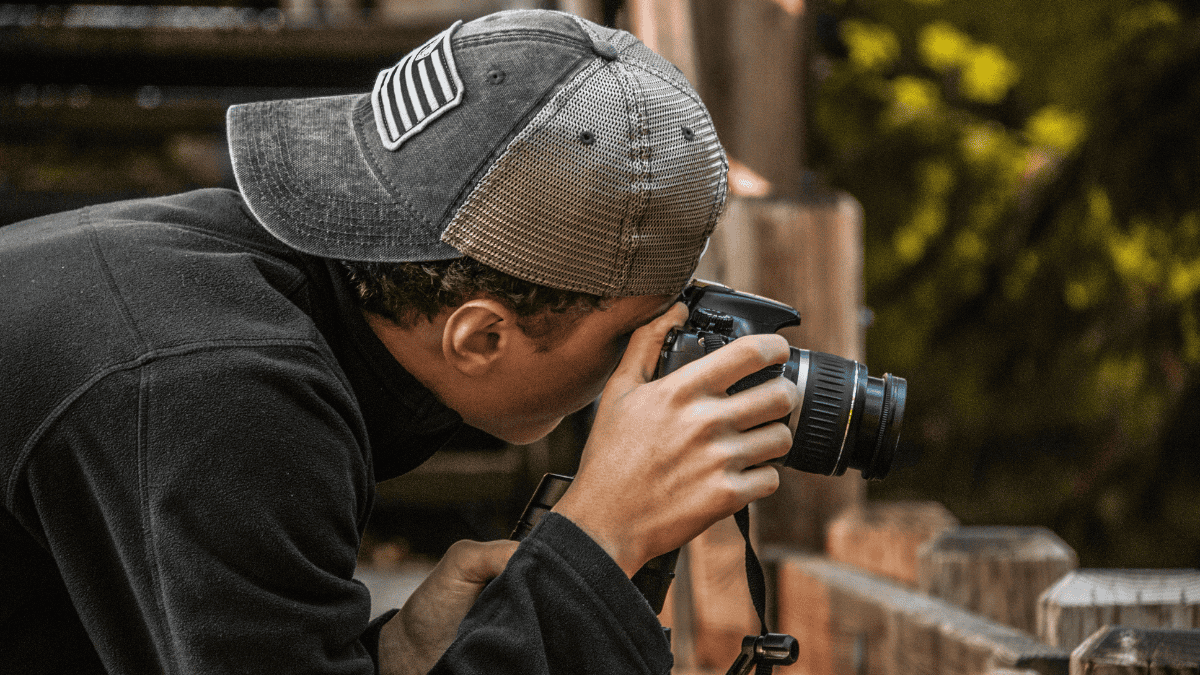
Building a fulfilling life outside of dating helps protect your confidence and reduces the emotional impact of rejection.
When you’re excited about someone — or when you’re feeling lonely — it can start to feel like having your interest reciprocated is the most important, or even the only, measure of your value. If someone likes you, you’re desirable. If they don’t, you must be lacking in some way. In reality, romance and attraction are just one small part of life, and they’re far from the only places where you have value.
One of the healthiest things you can do is cultivate a life that feels meaningful independently of your dating life. Invest in hobbies that genuinely excite you, whether that’s hiking, painting, cooking, tabletop gaming, lifting weights, photography, building miniatures, or anything else that keeps you engaged. Having activities that absorb your attention gives your brain something rewarding to focus on besides waiting for texts or refreshing dating apps.
Just as importantly, nurture your friendships. Your closest emotional connections shouldn’t exist only within your romantic life. Strong platonic relationships provide support, laughter, perspective, and belonging, regardless of your relationship status. When your entire social world revolves around dating, every rejection feels much bigger than it actually is.
The fuller your life becomes outside of dating, the less power any one person’s opinion has over your confidence.
Focus on Compatibility, Not Validation

Healthy dating is about finding mutual compatibility rather than seeking approval or proving your worth.
Modern dating makes it incredibly easy to keep score. How many Tinder matches did you get? How many Grindr taps? How many dates this month? Who wanted a second date? Who wanted to hook up?
This mindset unintentionally shifts your attention toward seeking validation instead of seeking compatibility. When you’re focused on proving to yourself that you’re desirable, every rejection feels like evidence that you’re failing. But if you choose to actively focus on finding someone who’s genuinely compatible with you, rejection starts to look very different.
Instead of asking, “Why didn’t they choose me?” try asking, “Would this actually have been the right fit?”
Viewed through that lens, most “rejections” are actually useful information. They’re signs that this particular person wasn’t aligned with what you’re looking for. Remember that the objective isn’t to be wanted by everyone; it’s to find the people who are genuinely right for you.
Remember Your Own Agency

One of the insidious effects of rejection is that it shifts all of your attention outward. “Do they like me?”, we wonder. “Am I attractive enough? Did I say something wrong?”
Instead, try turning the spotlight around. You aren’t just being evaluated. You’re evaluating them, too. How do you actually feel around this person? Do they make you laugh? Do conversations flow naturally? Do they seem emotionally available? Are they curious about you? Do they communicate consistently?
Think about what you’ve identified as green flags for a partner. What qualities are genuinely important to you in a partner? Which ones are present in this latest date of yours, and which ones are missing?
Most importantly, notice how you feel after spending time with a prospective date. Do you leave feeling energized, content, and appreciated? Or do you mostly feel anxious and desperate for their approval?
Refocusing on your own needs is one of the healthiest antidotes to obsessing over your perceived flaws. It reminds you that dating isn’t about convincing someone to choose you — it’s about figuring out whether the two of you are actually a good match, and staying committed to what you deserve.
Ask for Support From Friends and Loved Ones
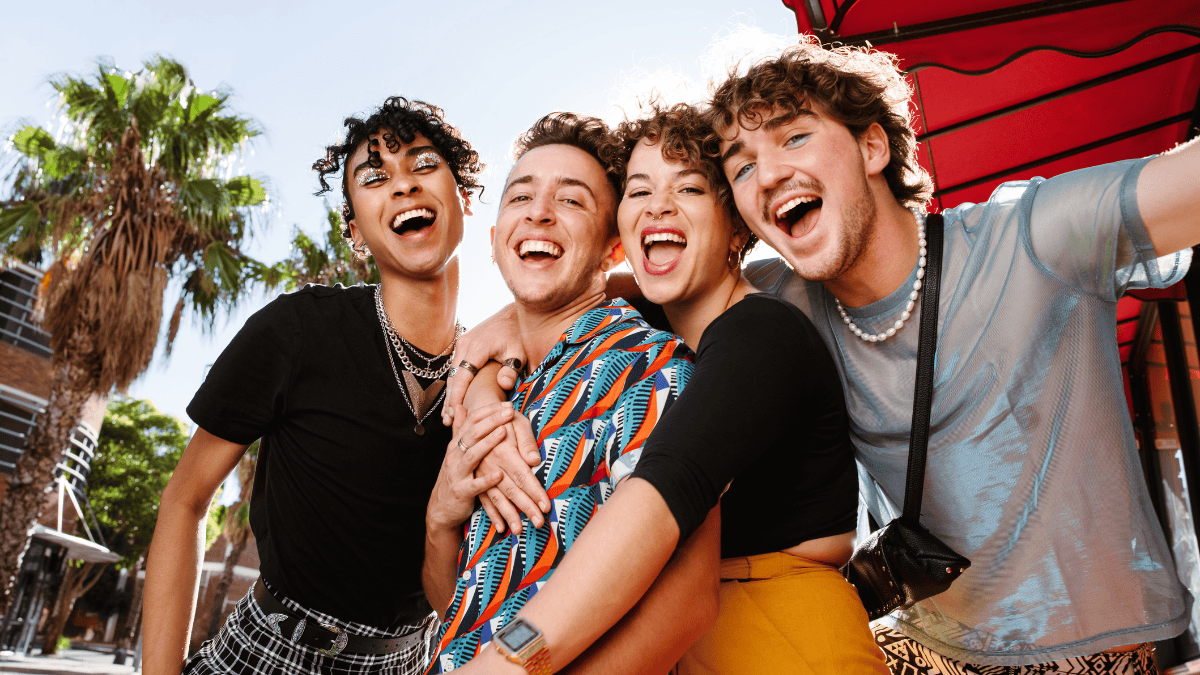
Trusted friends and family can help you maintain perspective, rebuild confidence, and remind you of your strengths after rejection.
Dating is hard, even for the most well-adjusted of us. The good news is that you don’t have to carry all of those feelings by yourself. If you’ve recently been rejected (or you’re finding yourself anxious about the possibility of rejection), reach out to people who know and care about you. Be honest about what you’re struggling with.
Your friends can remind you that you’re funny, thoughtful, compassionate, creative, ambitious, or resilient (not to mention smoking hot and amazing in bed). They can remind you that you’ve been through difficult experiences before and come out the other side. They can also remind you that one stranger’s opinion doesn’t erase everything they know and love about you. Being around people who see your full self and care about you unconditionally helps you reconnect with who you really are, rather than your fears about how others see you.
Confidence is a great quality to cultivate, and it’s also supported by community. Allow the people who love you to reflect your strengths back to you until you can see them again yourself.
Let Yourself Feel Sad or Disappointed
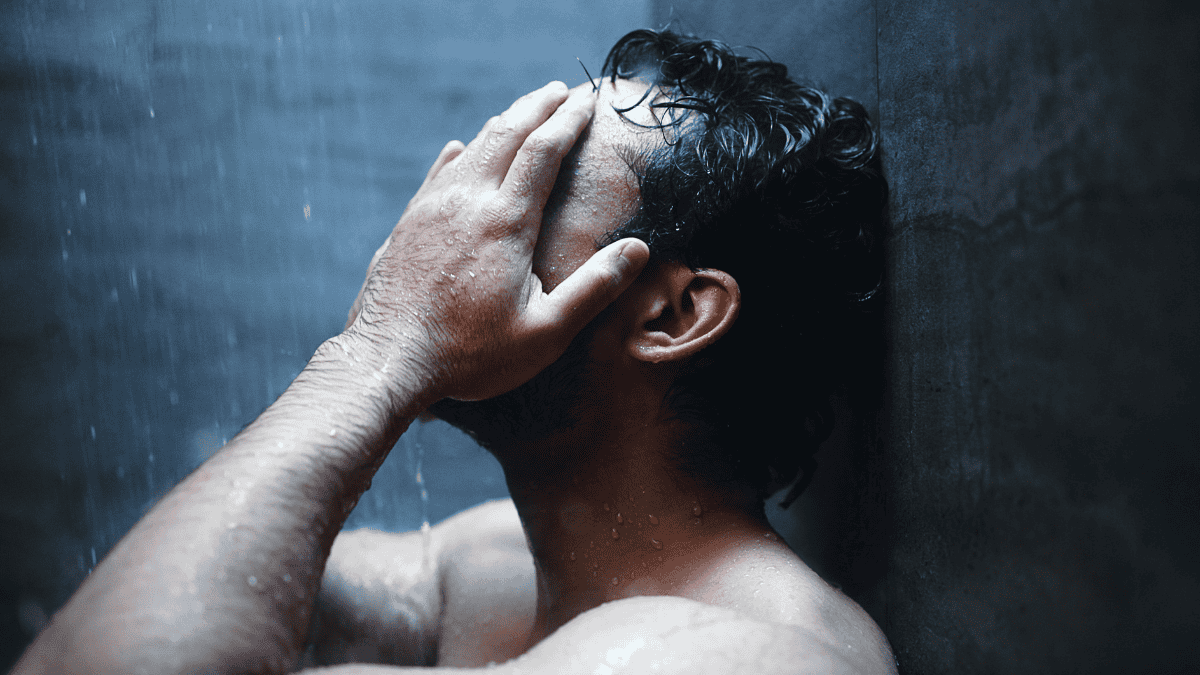
Feeling disappointed after rejection is a normal part of dating, and allowing yourself to process those emotions helps you move forward in a healthier way.
Even with all of the steps outlined above, it’s not necessarily realistic or fair to ask yourself to be totally impervious to rejection. It feels bad not to get something we want, and it hurts when someone we’re attracted to or have feelings for doesn’t feel the same way.
It’s not a failure or weakness on your part to be sad, hurt, upset or disappointed when this happens — it’s normal and healthy to give yourself some time to feel hurt and space to fully metabolize the emotion. The key is not getting stuck at that step, and allowing yourself to fully move through and past the feelings of hurt and insecurity to retain your confidence and move through the dating world with the knowledge that you can pursue the kinds of connection you want and deserve.
Frequently Asked Questions About Rejection in Gay Dating
Why does rejection hurt so much in dating?
Rejection activates the same emotional systems that respond to loss and social exclusion. While painful, it does not determine your worth or your ability to build a healthy relationship.
How can I stop taking rejection personally?
Shift your focus from seeking validation to evaluating compatibility. Not every connection is meant to become a relationship.
How do I rebuild confidence after being rejected?
Spend time with supportive friends, pursue meaningful hobbies, and remind yourself that your confidence should come from your whole life—not only your dating experiences.
When should I take a break from dating?
If dating consistently leaves you feeling emotionally exhausted, anxious, or discouraged, taking time to reconnect with yourself can help you return with greater confidence.
If dating has left you feeling discouraged or questioning your confidence, our gay matchmaking and coaching services can help you build healthier relationship patterns, strengthen your self-esteem, and approach dating with greater clarity and confidence.
Dr. Frankie Bashan is a licensed psychologist, AASECT-certified sex therapist, professional matchmaker, and founder of Little Gay Book. For over 17 years, she has worked extensively with gay men, helping clients build healthier relationships, strengthen emotional intimacy, improve communication, navigate dating, and create lasting partnerships. She is also the host of the Love, Laughs and Lessons podcast.
Recommended Books:
The Rejection Cure: Overcome the Fear, Boost Your Confidence, Transform Your Life
Don’t Take It Personally: The Art of Dealing with Rejection
Bouncing Back from Rejection: Build the Resilience You Need to Get Back Up When Life Knocks You Down
For More Articles Check Out These Recent Posts:
Coming Out Later in Life as a Gay Man: What to Expect
How to Let Someone Down Easy after a First Date
How Do You Get Closure After a Bad Breakup?
 |
We’re honored to share that Little Gay Book Blog has been named one of the Top 4 Lesbian Dating Blogs on the web by Feedspot! Huge thanks to the Feedspot team for the recognition—and to our amazing readers for being part of this journey. |
Affiliate Disclaimer: Little Gay Book may earn commissions from qualifying purchases made through links on our website. These commissions help to support our work in providing valuable content to our readers. Rest assured, this does not affect the price you pay for any products or services. We only recommend products that we genuinely believe will bring value to our audience. Thank you for your support!