

Most of us will have heard this relationship (or marriage) truism repeated ad nauseam: that the secret to happiness and stability is “never going to bed mad.” The trick, or so the wisdom goes, is to make sure that whatever argument you’re having during the day or into the evening gets resolved before the day ends rather than letting resentment simmer. Is this really a recipe for relational success — or even actually a good idea?
Going to bed angry isn’t necessarily bad for your relationship. If you and your partner are too tired, overwhelmed, or emotionally activated to have a productive conversation, taking a break and returning to the issue later may be healthier than forcing a resolution before bedtime. What matters is that you’re taking a purposeful pause, not avoiding the conflict altogether.
Here’s the truth about “never going to bed mad,” from an expert perspective.
The Argument for “Never Going to Bed Angry”

Resolving an argument before bed can feel reassuring because it restores connection and reduces the uncertainty of leaving a conflict unresolved, particularly for someone who finds relational disconnection difficult to tolerate.
There are a lot of people who abide by this rule, and for good reason. It feels bad to go to bed angry with your partner, both literally and figuratively! It’s a bad experience to lie awake in bed next to someone you’re upset with and who’s upset with you, and to wake up the next day knowing this argument is still hanging over your heads.
For people with an anxious attachment style, lingering, unresolved conflict can feel extremely difficult to sit with. The stress of feeling disconnected from one’s partner and not having a clear path for reconnecting can intensify the conflict if that distress leads to protest behaviors.
Furthermore, if the reason you’re not resolving the conflict the same day is because of avoidant protest behavior — stonewalling, freezing out, refusing to engage with the conflict at all, or making a vague and undefined commitment to resolve it sometime in the future — that’s its own cause for concern, and not a fair or constructive reason to draw out a conflict.
The Argument for Going to Bed Angry
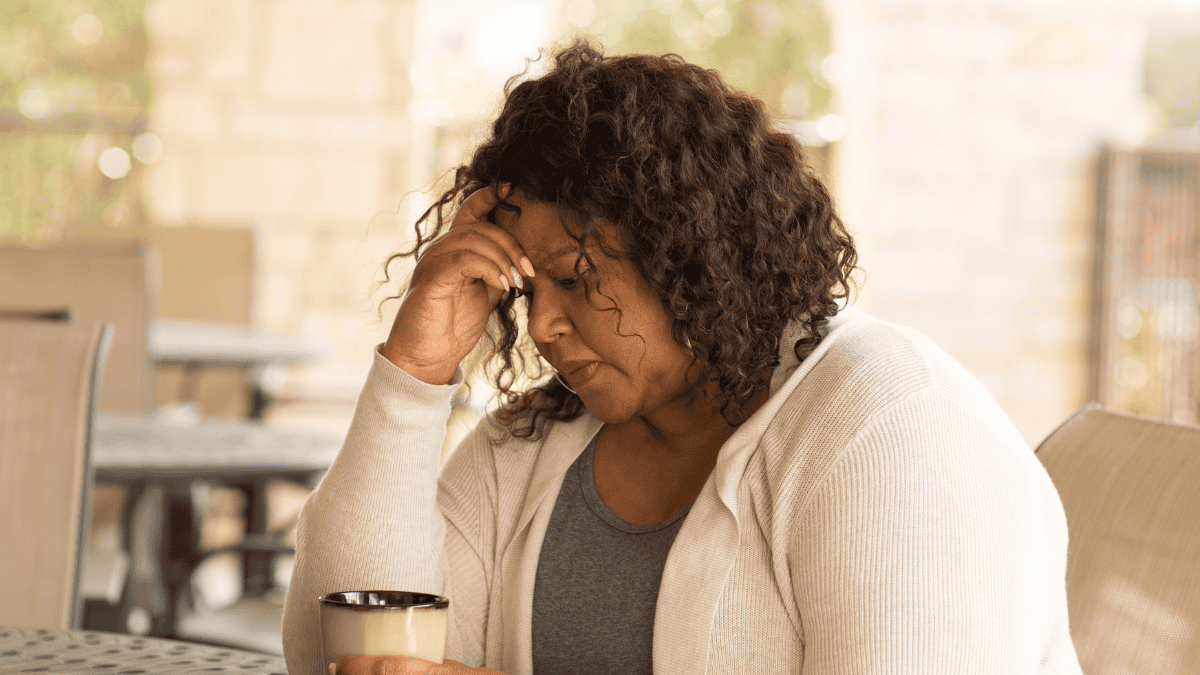
Going to bed before an argument is resolved can sometimes be the healthier choice when continuing the conversation would mean arguing while exhausted, overwhelmed, or unable to communicate constructively.
On the other hand, it’s also possible to rush into resolution in a way that doesn’t benefit the conflict or your relationship. Sometimes, an anxiously attached person’s discomfort with conflict or disconnection can mean that it feels like a conflict needs to be resolved immediately — no matter how big or complex an issue it is, or whether it might benefit from further thought and discussion.
The rush to resolve a conflict as fast as possible and spend as little time as possible actually sitting with it misses that, while conflict is often uncomfortable, it’s also productive. There are kinds of intimacy and understanding we can only access through having conflict, and conflict is a necessary step to improving the quality of your relationship and getting your needs met. When you need for conflict to be over as soon as possible, you don’t get any of the benefits of having gone through it — like a workout that doesn’t even build any muscle.
Over time, repeatedly rushing through conflict can also affect the partnership. A partner who’s trying to raise an issue may begin to feel that bringing up concerns is pointless or that they’ll be made out to be the bad guy, and may eventually stop trying to resolve issues altogether. What looks like peace on the surface can instead become avoidance, resentment, or emotional distance.
Sometimes, important or wide-ranging conflicts might take a long time to come to a place of resolution on. In many cases, the demands of everyday life — having to clock into work or take the kids to school or help them with their homework — gets in the way of a neat or timely resolution to things. Resisting this reality and forcing a conclusion to a conflict that’s still very much unresolved can ultimately guarantee that it crops back up again when you’d least like it to, and even undermine the relationship as a whole.
What Healthy Conflict Resolution Actually Looks Like

Healthy conflict resolution isn’t about resolving every disagreement immediately. It’s about staying engaged with the issue, tolerating some temporary discomfort, and returning to the conversation with the intention of understanding each other and repairing the connection.
As with so many things in life, there’s no hard and fast one-size-fits-all rule that will guarantee success for every couple. It’s normal to develop your own conflict style based on your relationship history, needs and communication preferences, and it’s normal to resolve conflicts in a wide array of different ways depending on what you’re working through.
One skill that can make a meaningful difference in how couples navigate conflict is the ability to tolerate distress and discomfort. Conflict can strengthen a relationship when couples are able to engage with it in a healthy way, but doing that requires enough resilience to stay engaged even when the conversation is uncomfortable.
This requires being able to sit with the discomfort of a conflict that doesn’t have an immediate path toward resolution or reconnection. Sometimes that may mean allowing an issue to remain unresolved overnight or returning to a larger issue through several conversations rather than forcing a premature resolution. This can also include the distress tolerance required to do real repair after the initial conflict has been resolved, a crucial step in reconnecting and coming back together. Although these can be difficult skills to build, the real secret to a healthy relationship that lasts is each person building their ability to tolerate discomfort and relational friction in the short term for the sake of a stronger relationship in the long term.
So, should you go to bed angry? Sometimes, yes. The better question is whether you’re pausing the conflict so you can return to it more constructively or avoiding it because you don’t want to deal with it. Healthy couples don’t necessarily resolve every disagreement before bedtime. They learn how to stay connected to the process of working through conflict, even when resolution takes time.
Frequently Asked Questions About Going to Bed Angry
Is It Bad to Go to Bed Angry With Your Partner?
Not necessarily. If you’re both exhausted, overwhelmed, or struggling to communicate constructively, taking a break and returning to the conversation later may be more productive than forcing a resolution. The important distinction is between taking a purposeful pause and avoiding the issue indefinitely.
Should Couples Always Resolve an Argument Before Bed?
No. Some disagreements can be resolved quickly, while others require more thought, time, or multiple conversations. A deadline based on bedtime can sometimes create pressure to reach a resolution before either partner is actually ready.
What Should You Say If You Need to Pause an Argument Overnight?
Be clear that you’re asking for a pause rather than abandoning the conversation. Let your partner know that the issue matters to you and agree on when you’ll return to it. That can provide reassurance while giving both of you time to regulate and think.
Can Taking a Break During an Argument Be Healthy?
Yes. A temporary break can be useful when emotions are running high and the conversation is no longer productive. What matters is returning to the issue rather than using the break as a way to avoid difficult conversations.
What Is the Difference Between Taking Space and Stonewalling?
Taking space involves communicating that you need a pause and making an effort to return to the conversation. Stonewalling involves disengaging or shutting down communication without collaboratively addressing how or when the issue will be revisited.
Is Conflict Normal in a Healthy Relationship?
Yes. Conflict itself does not necessarily indicate that a relationship is unhealthy. How partners communicate, respond to each other’s concerns, repair after disagreements, and work toward resolution is often more informative than whether they disagree at all.
Want to Communicate Better in Your Relationship?
Healthy relationships aren’t defined by never having conflict. They’re shaped by how partners communicate through disagreement, understand each other’s needs, and reconnect afterward. If you and your partner keep getting stuck in the same arguments or struggle to repair after conflict, Little Gay Book offers LGBTQ+-affirming relationship support to help you build healthier patterns of communication and connection.
Dr. Frankie Bashan is a licensed psychologist, AASECT-certified sex therapist, professional matchmaker, and founder of Little Gay Book. For over 17 years, she has worked with lesbian, gay, bisexual, transgender and queer singles and couples navigating dating, relationships, intimacy, communication and compatibility. Her work combines psychological expertise with extensive real-world experience helping LGBTQ+ people build healthier, more meaningful relationships. She is also the host of the Love, Laughs and Lessons podcast.
Recommended Books:
Fight Right: How Successful Couples Turn Conflict Into Connection
Talk to Me Like I’m Someone You Love, revised edition: Relationship Repair in a Flash
Hold Me Tight: Seven Conversations for a Lifetime of Love (The Dr. Sue Johnson Collection Book 1)
For More Articles Check Out These Recent Posts:
What to Do When Your Partner and Friends Don’t Get Along
How to Communicate With an Anxiously Attached Partner
The Protest Behaviors You Need to Work on If You’re Avoidantly Attached
 |
We’re honored to share that Little Gay Book Blog has been named one of the Top 4 Lesbian Dating Blogs on the web by Feedspot! Huge thanks to the Feedspot team for the recognition—and to our amazing readers for being part of this journey. |
Affiliate Disclaimer: Little Gay Book may earn commissions from qualifying purchases made through links on our website. These commissions help to support our work in providing valuable content to our readers. Rest assured, this does not affect the price you pay for any products or services. We only recommend products that we genuinely believe will bring value to our audience. Thank you for your support!