
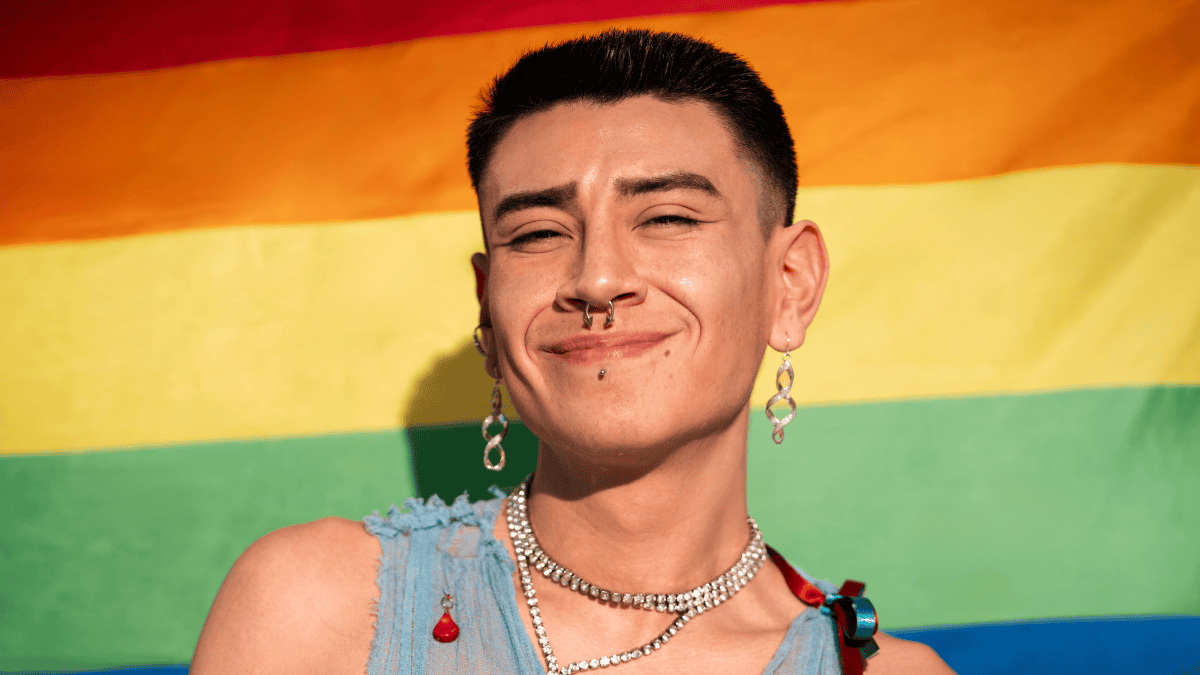
Figuring out whether you’re bisexual or gay can feel like a big, sometimes overwhelming task — partly because the labels themselves are loaded with cultural assumptions. People throw around “gay” and “bisexual” as if they’re self-explanatory, but the reality is far more nuanced. These words describe patterns of attraction, not prescriptions for how you should act, dress, or live your life. You don’t need a checklist to prove your identity, and there isn’t a single “right” way to be gay or bisexual. This guide is here to untangle some common misconceptions and help you think through what feels authentic for you.
What Does It Mean to Be Gay vs. Bisexual?
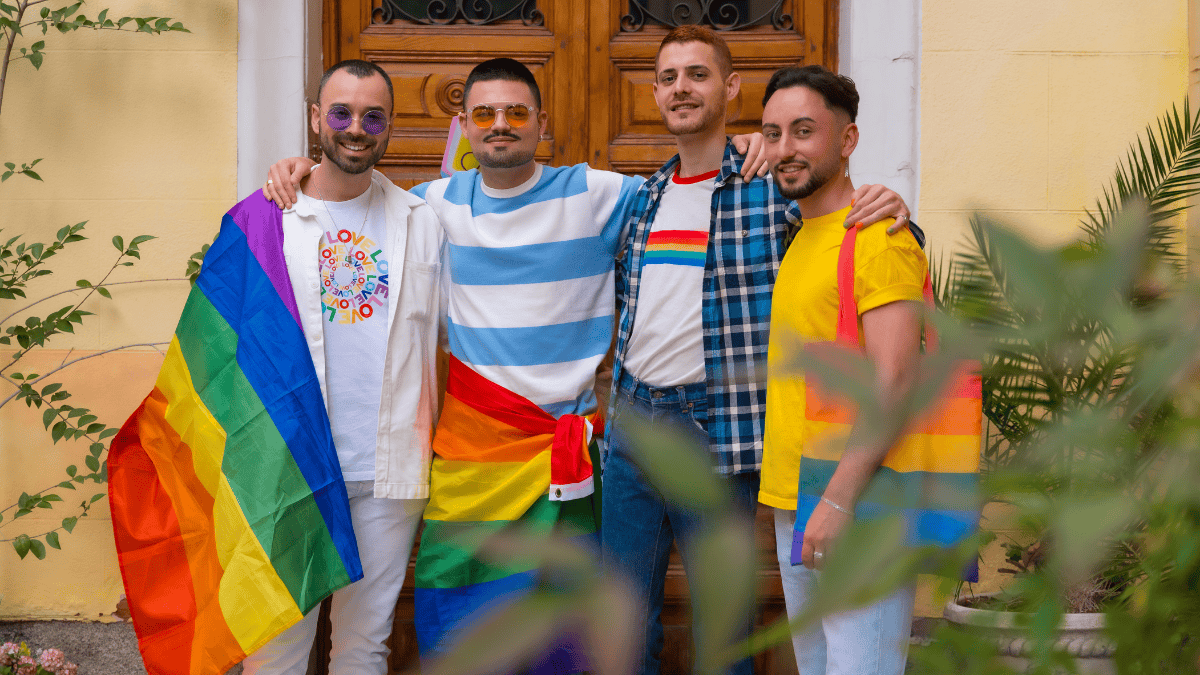
Understanding the difference between gay and bisexual identities starts with understanding patterns of attraction, not stereotypes.
First, it’s helpful to be clear about what we mean when we talk about being either bisexual or gay.
Being bisexual means attraction to your own gender and other genders. This includes trans people of your own gender as well as other genders. Being bisexual doesn’t automatically mean you’re attracted to women specifically, and it doesn’t dictate the types of relationships you pursue with anyone.
Being gay means being attracted exclusively to your own gender. Within that, there’s a huge spectrum of what kinds of people you might be drawn to, the expressions that attract you, and the types of relationships or sexual experiences you enjoy.
What Doesn’t Mean You’re Gay or Bisexual?

Many common assumptions about sexual orientation are based on stereotypes rather than actual patterns of attraction.
There are a lot of myths about what being gay or bisexual “looks like,” and they can make us feel like maybe we “can’t be” gay or bisexual when that’s not the case. Here are some things that don’t determine your orientation:
Gender Expression
How you dress, act, or express your gender does not determine your sexual orientation.
Some assume effeminate men are gay, while bisexual men are supposedly more masculine or “gender-conforming.” This isn’t true — your mannerisms, style, or how you express your gender don’t dictate who you’re attracted to.
Top and Bottom Dynamics
Sexual roles and preferences do not define whether someone is gay or bisexual.
Being a top or bottom doesn’t mean anything about who you’re attracted to or whether you’re bisexual or gay. These roles are about sexual preference, not orientation.
Sexual and Relationship Preferences
The types of relationships or sexual activities you enjoy don’t define your sexual orientation.
Connection to Gay Culture
Interest in LGBTQ+ culture varies widely among both gay and bisexual people.
Some imagine that bisexuality is closer to heterosexuality and that bisexual people aren’t engaged with gay culture, while being gay means you instinctively love Drag Race or club culture. Gay and bisexual people are much more nuanced and varied than this, and many bisexual people are deeply embedded in queer culture and community.
Sexual and Romantic Experience
Your orientation is based on attraction, not the number or gender of past partners.
How much experience you’ve had with anyone of any gender doesn’t determine whether you’re gay or bisexual. Orientation is about attraction, not a résumé of past partners.
What Is Compulsory Heterosexuality?

Compulsory heterosexuality describes the pressure to assume or perform heterosexual attraction because of cultural expectations.
Compulsory heterosexuality is what happens when a lifetime of living in a homophobic culture that doesn’t acknowledge or celebrate same-sex attraction leads us to internalize that we should feel different-sex attraction, even if we don’t. This can mean that gay people go many years identifying as having feelings for people of other genders when in reality they’ve been working to develop those feelings very effortfully rather than experiencing them organically. This can look like “deciding” to have a crush on a girl at school on purpose, choosing your celebrity crush based on who is most popular with your friends at the time, or pursuing a relationship with someone of the opposite sex because they seem nice and you think you can tolerate being around them, rather than experiencing genuine desire and attraction.
Many people who experience attraction to more than one gender struggle with wondering if they’re “really” bisexual or just experiencing compulsory heterosexuality. If you’re wondering whether you’re gay or bisexual, it may be worth doing some internal work and discernment around whether the concept of compulsory heterosexuality rings true.
Who Are You Attracted To?

Paying attention to patterns of attraction and desire often provides more clarity than trying to force an answer intellectually.
Orientation isn’t just an intellectual exercise. Paying attention to your body and desires can give you more honest answers than endless thinking. Ask yourself:
- What turns you on most, and most often?
- What’s been the most satisfying sexual experience you’ve had, and why?
- Who shows up in your sex dreams or fantasies?
- When watching porn, who captures your attention?
Being intentional about noticing your desires helps you distinguish between what you genuinely find compelling and what you feel you “should” like. If you allow yourself to let go of the “shoulds” and follow what genuinely excites you, you may find clarity — or at least a deeper understanding of your own pleasure.
What If You Just Don’t Know?

Figuring out whether you’re gay or bisexual can feel urgent, like your identity depends on getting the answer exactly right. But you don’t owe anyone, including yourself, a firm answer — not immediately, not ever.
Many people live rich, fulfilling lives without pinpointing a single label. You can identify as queer broadly, skip labels altogether, or date and love whoever feels right to you. Being gay or bisexual should be about exploring your desires and learning about yourself, not taking a test you can fail. If thinking about it becomes stressful, it’s okay to step back. No one’s counting, and your orientation doesn’t come with a deadline.
Frequently Asked Questions About Being Gay or Bisexual
How do I know if I’m gay or bisexual?
There is no test for sexual orientation. Most people gain clarity by paying attention to patterns of attraction, desire, relationships, and emotional connection over time.
Can a bisexual person be attracted to men more than women?
Yes. Bisexuality does not require equal attraction to all genders. Attraction can vary in intensity and change throughout life.
What is the difference between being gay and bisexual?
Generally, gay people are attracted exclusively to their own gender, while bisexual people experience attraction to their own gender and other genders.
What is compulsory heterosexuality?
Compulsory heterosexuality is the pressure to assume or perform heterosexual attraction because of social expectations and cultural norms.
Is it normal to be unsure about my sexual orientation?
Yes. Many people question their sexuality at different stages of life, and uncertainty is a normal part of self-discovery.
Do I have to choose a label?
No. Some people find labels helpful because they provide language and community. Others prefer broader terms like queer, while some choose not to use labels at all. The goal is not to find the perfect label, but to better understand yourself and what feels authentic.
What if I still don’t know?
That’s okay. Self-discovery rarely happens all at once. Many people gain clarity gradually through reflection, relationships, community, and lived experience. You don’t need all the answers today to keep moving forward.
If you’re exploring questions about sexual orientation, identity, or coming out, our coaching services provide a supportive space to better understand yourself and navigate the process with confidence and clarity.
Dr. Frankie Bashan is a licensed psychologist, sex therapist, professional matchmaker, and founder of Little Gay Book. For over 17 years, she has worked extensively with gay, bisexual, transgender, queer, and questioning individuals exploring identity, relationships, intimacy, and personal growth. She is also the host of the Love, Laughs and Lessons podcast.
Recommended Books:
The Velvet Rage: Overcoming the Pain of Growing Up Gay in a Straight Man’s World
Internal Family Systems Therapy for Gay and Queer Men: A Companion for After Coming Out
The Best Little Boy in the World: The 25th Anniversary Edition of the Classic Memoir
For More Articles Check Out These Recent Posts:
Understanding the Different Types of Gay Men: A Comprehensive Guide
Understanding Spontaneous vs. Reactive Desire
How Gay Men Can Build Real Relationships Outside the Apps
 |
We’re honored to share that Little Gay Book Blog has been named one of the Top 4 Lesbian Dating Blogs on the web by Feedspot! Huge thanks to the Feedspot team for the recognition—and to our amazing readers for being part of this journey. |
Affiliate Disclaimer: Little Gay Book may earn commissions from qualifying purchases made through links on our website. These commissions help to support our work in providing valuable content to our readers. Rest assured, this does not affect the price you pay for any products or services. We only recommend products that we genuinely believe will bring value to our audience. Thank you for your support!