

Experience abuse of any kind in a relationship context — emotional, psychological, physical or sexual abuse — is a profoundly harmful experience, and leaves many people feeling like they’re living in the “after” of an event that will define their lives and their relationships forever. Recovering from a bad breakup in a healthy relationship is hard enough; if your relationship was in any way abusive, it can feel impossible to imagine ever giving or receiving love again. It is possible to heal from abuse and open yourself up to love again — here’s how to start approaching the process, with a heavy dose of patience and compassion for yourself.
Take Your Time and Be Patient with Yourself

Healing after abuse is a gradual process that requires patience, self-compassion, and repeated experiences of safety over time.
It may take a long time to feel like the reality of your past abuse isn’t the lens through which you primarily view romantic relationships or intimacy, and more than anything it’s important to be patient with yourself about this. It doesn’t mean you’re broken or permanently damaged if you’re finding it hard to “move on” from your abuse or “get over it;” it also doesn’t mean that you’ll feel this way forever or that this experience is going to define your entire life.
However, it is true that abuse can have significant impacts on your nervous system and your ability to access a sense of safety in your relationships, and those are both healed only through repeated corrective experiences of safety over a long period of time. If you’re still feeling impacted by your abuse after what feels to you like a long time — whether that’s PTSD symptoms, changes in your attachment style, difficulty with or extreme dependence on romantic relationships, fear, shame, or hypervigilance — that’s completely normal and to be expected, not a sign that you’re failing in any way. Although it can be hard to live with the aftermath of abuse and know that recovering is a long-term project, it’s important not to despair; you will still be able to experience love, joy and safety in your life. Working with a qualified counselor or therapist can help you maintain realistic expectations for this period of your life, and provide you with support and affirmation that you are moving forward and getting better.
Practice Relating Safely in Non-Romantic Intimacy

Rebuilding a sense of safety often starts outside of romantic relationships, through consistent, supportive, and emotionally safe connections.
Part of what’s so insidious about abuse is that it occurs within a vulnerable interpersonal context where we’re supposed to experience a lot of trust and safety. Being abused in a romantic context can make our nervous system feel that intimacy and closeness are inherently unsafe — an extreme version of “trust issues,” as it’s commonly put. Because the effects of abuse live so deeply in our bodies, not just our thinking brains, it’s often not enough to just reassure ourselves that we’re safe (or have a partner reassure us that they aren’t going to hurt us).
Our nervous system needs the chance to re-learn over time that relationships can be safe and healthy, and needs to be given a lot of examples to prove this point. These don’t need to be romantic relationships (and in fact, it may be better if they’re not). Practicing showing up consistently and vulnerably in other intimate contexts, like close friendships and family relationships, can help us reorient towards safety and stability after experiencing interpersonal harm and abuse. Asking for and offering help and support, sharing interior experiences and listening to others’ experiences, seeking out moments of platonic domestic intimacy, and having safe people in your life to co-regulate with can be important steps in rebuilding a sense of felt safety in relationships with others.
If you’re able to pursue therapy or counseling after experiencing abuse, a therapist’s support can be invaluable in helping to process the challenges of learning to trust intimacy and relationships with others again. The therapeutic relationship itself can also be an important place to build trust and safe attachment; being able to express vulnerability and uncertainty and have it received with support and compassion by your therapist can be a crucial development in reforming secure attachment on its own.
Open Your Heart Again with Honesty and Support
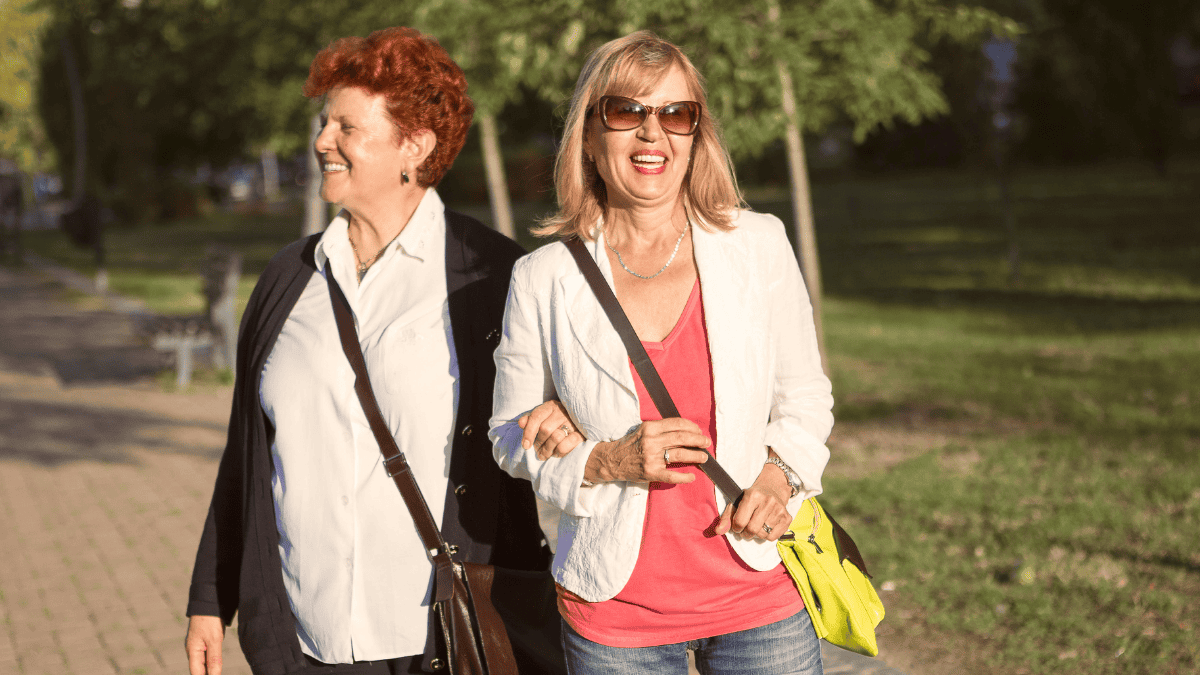
Returning to dating after abuse involves moving at your own pace, communicating your needs clearly, and surrounding yourself with trusted support.
There’s no official notification you receive to let you know you’re ready to find love again after experiencing abuse, but intimacy and connection are a core part of the human experience, and at some point you’ll feel a desire to connect with a romantic partner again. It can feel daunting to take this on when you’ve been deeply hurt by someone in the past; it’s important to remember you don’t have to do it alone.
It’s completely up to you when and how much you want to disclose to future dates or future partners about your past experiences with abuse, but being transparent with people you’re interested in seriously about what you’ve experienced can help you have conversations about what you need to feel safe and secure in relationships going forward. This conversation can be an important litmus test for potential dates or partners; how they respond to your disclosure and whether they can back up their verbal response with taking action to meet your needs and reaffirm your safety in the relationship speaks volumes to what kind of partner they’ll be overall. A potential date who gets defensive, acts dismissive, pushes you to trust them before you’re ready, or doesn’t take your disclosure seriously is showing you red flags.
It’s also helpful to build on the trust and intimacy you built with friends and family to keep a network of support as you begin to date again. Your support network can help buoy you through the challenges and moments of doubt that come with navigating dating again after experiencing harm, and also provide a layer of gut-checking — does this new person you’re interested in seem like a good fit and a healthy partner? While it’s not realistically possible to tell whether someone will ultimately be abusive or not, being open and transparent with your support network about what’s going on in your relationships and how it’s affecting you can be a safeguard against abuse in the future.
Frequently Asked Questions About Healing After Abuse
How long does it take to heal from an abusive relationship?
There’s no fixed timeline. Healing depends on your experiences, support system, and nervous system recovery. It’s normal for it to take time.
Is it normal to feel afraid of dating again?
Yes. Fear, hesitation, and hypervigilance are common after abuse and are part of your system trying to protect you.
How do I know if I’m ready to date again?
There’s no perfect moment, but feeling some curiosity, support, and ability to set boundaries are good signs you may be ready to explore slowly.
If you’re working through the impact of a past relationship and want support rebuilding trust, communication, and emotional safety, our coaching services can help you move forward at a pace that feels right for you.
If you or someone you know is currently experiencing abuse, support is available through local resources and hotlines. Reaching out to a trusted professional or organization can be an important step toward safety.
Dr. Frankie Bashan is a licensed psychologist, sex therapist, and professional matchmaker with over 17 years of experience working with LGBTQ+ individuals and couples. She specializes in relational dynamics, communication, and sexual compatibility. She is the founder of Little Gay Book and host of the Love, Laughs and Lessons podcast.
Recommended Books:
Why Does He Do That?: Inside the Minds of Angry and Controlling Men
The Body Keeps The Score: Brain, Mind, and Body in The Healing of Trauma
The Joyous Recovery: A New Approach to Emotional Healing and Wellness
For More Articles Check Out These Recent Posts:
7 Places to Meet Your Future Partner (Besides Work or School)
Anxious Attachment Protest Behaviors: What They Are and How to Change Them
The Protest Behaviors You Need to Work on If You’re Avoidantly Attached
 |
We’re honored to share that Little Gay Book Blog has been named one of the Top 4 Lesbian Dating Blogs on the web by Feedspot! Huge thanks to the Feedspot team for the recognition—and to our amazing readers for being part of this journey. |
Affiliate Disclaimer: Little Gay Book may earn commissions from qualifying purchases made through links on our website. These commissions help to support our work in providing valuable content to our readers. Rest assured, this does not affect the price you pay for any products or services. We only recommend products that we genuinely believe will bring value to our audience. Thank you for your support!