

Maybe you’ve typed it into search engines, or written it in a journal, or just wondered to yourself in the dark before falling asleep at night: Am I gay? If you’re asking, it’s a good sign that there’s at least something to explore when it comes to your sexual identity. While your identity is ultimately completely up to you and how you relate to yourself, decades of experience working with queer clients does give me some insight and perspective that might be helpful. Here’s what I tell folks who are wondering if they’re gay, and if so, what to do about it:
First, Have Some Grace and Flexibility With Yourself

Sexual orientation can be deeply personal, and many people need time to understand how they identify.
Sexuality is complex and, for many people, a moving target. Some people know they’re gay, straight or bisexual almost as soon as they can walk; some people never feel this as a fixed, immutable truth. Many people will change how they identify throughout their life, sometimes several times, and often without having been “wrong” any of the previous times. Some people will never identify with a specific label or community.
This is to say that while wondering “am I gay?” can feel like the hardest test of your life with only one right answer you have to figure out at all costs, it doesn’t need to be so black and white. Have some grace with yourself; let the answer be unclear if that’s how it’s feeling, or let the answer change if that’s what feels authentic. There’s no higher authority you need to pass a test with; there’s only you, and the kind of life you want to build. You can’t get the answer wrong; you just have to pay attention to what feels right each step of the way.
Let yourself notice your inner thoughts and feelings (without obsessing or self-policing)
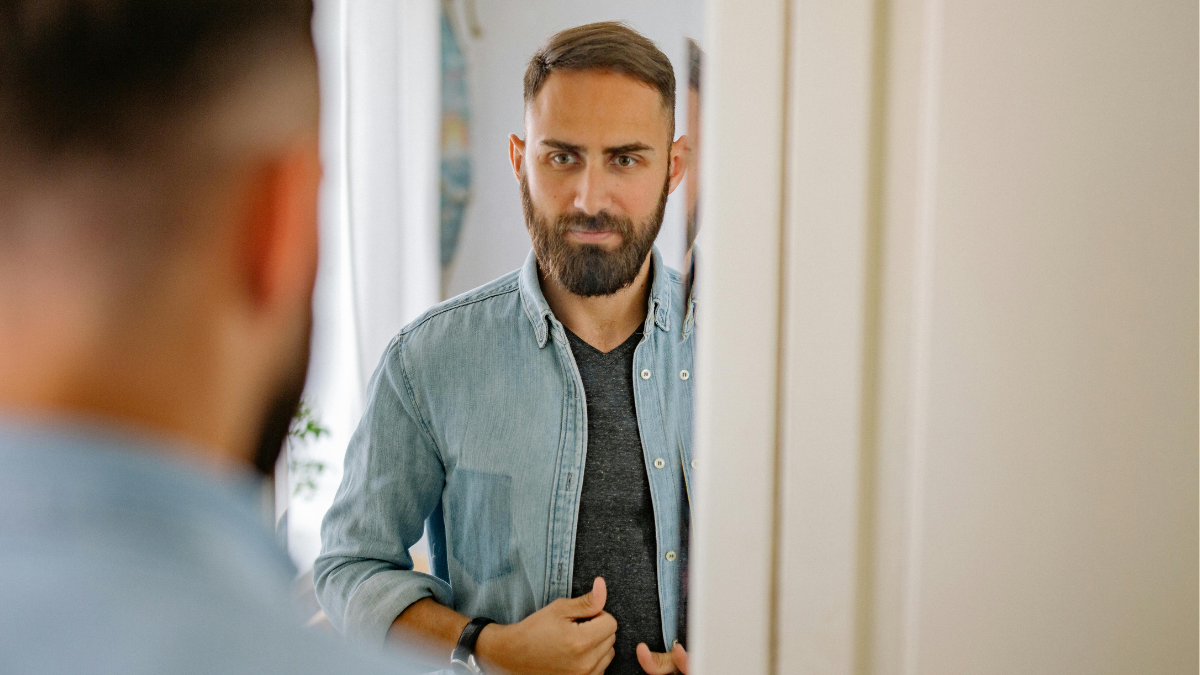
There’s no DNA test or Buzzfeed quiz that can determine for you if you’re gay; this is a purely personal and internal process, and benefits from some skill and effort at relating to yourself and noticing how you feel and what you think.
Fantasies, Porn, and Dreams
Fantasy and attraction can sometimes reveal feelings we have not fully acknowledged in everyday life.
When we’re engaging in some kind of solo erotic play, we often encounter (sometimes accidentally!) the most honest and authentic version of ourselves. We may start with a “mainstream” or anodyne fantasy, and as we get more turned on or struggle to orgasm, we turn to what our body knows will actually get us off. What tends to do it for you in these moments? What about your go-to fantasy are you most drawn to? When you have erotic or sexual dreams, what tends to crop up in them, and what part of them feels most charged? When you watch porn, what aspects are most compelling to you?
Crushes and Attraction
Many people begin questioning their sexuality after noticing unexpected emotional or romantic attraction.
For many people, they first start to wonder “am I gay?” when they experience a crush or attraction they didn’t expect, whether that’s in childhood, adolescence or adulthood. Crushes may be hard to define; especially if we have only ever thought of ourselves as straight, we may instead experience them as intense friendships, feeling extremely drawn to someone’s aesthetic or personal style, or a strong desire to be like someone or be near them. When you think about the times you’ve felt drawn to someone, like you really wanted to be friends with them or like their opinion was important to you, pay attention to how it felt in your body. Did you feel butterflies, lightheadedness, like you were self-conscious or blushing? Did the prospect of seeing them make you feel excited but also nervous, or make your heart race? Were you hyper-aware of what you were wearing or how you looked when you interacted with them? You may have been experiencing a crush.
Identity and Relation
Sexual orientation is often about more than attraction alone. It can also involve how we relate to ourselves and the people around us.
Often, popular culture constructs gay identity as entirely sexual, which can make it harder to conceptualize yourself as a gay person. If you’ve been wondering “am I gay?” for a long time, you may have fixated entirely on sexual predilections. But being gay is also about a sense of internal self-knowledge, and how you relate to yourself and to others, regardless of who you are (or aren’t) having sex with. Who have you felt drawn to, as peers, friends, or mentors? Who inspired you or felt like the most interesting person in the room? Are there out queer people in your life you’ve felt a strong connection to, perhaps feeling like you wish you could be more like them (or scared about what that would mean)?
Explore Gay Media and Community

Books, films, events, and community spaces can offer valuable perspective during the process of self-discovery.
If you’re exploring the possibility you may be gay, it can feel like the only way to take action on this question or explore these feelings is with sex and dating — which can be very intimidating, especially if you don’t feel “sure” or aren’t comfortable being out. An easier and more accessible first step might be an intentional exploration into media and community centered on gay and LGBTQ+ experiences. Watching movies like Moonlight, My Own Private Idaho or In & Out might provide helpful context and self-knowledge, and a space to notice what thoughts and feelings they bring up in you. Reading LGBTQ+ memoirs or attending community events can be a helpful exploratory process.
How does it feel to spend time around openly queer people? What does it bring up for you — either aspirations or fears? When you watch or read about the experiences of other gay men, what does it make you think about? There’s no right or wrong answer to these questions, but spending time letting yourself feel it out can be helpful with a sense of discernment about how you might identify.
Work on a Journey of Self-Acceptance

Understanding your sexual orientation is often a journey rather than a single moment of realization.
Figuring out one’s sexual orientation can feel scary and overwhelming, almost regardless of where the process takes us. Admitting what we want can be terrifying; it means that we must ask ourselves what kind of life we would have to build to have what we want, and what risks we’re willing to take to get it. For those of us who do identify as gay, queer or bisexual, we face a homophobic society and the specter of internalized homophobia; and even if we lived in a world that had transcended homophobia, we’d still be facing some charged decisions around coming out, dealing with family, etc.
It’s ok to feel overwhelmed; like anything else that feels big and intimidating, it’s helpful to remember that you don’t have to (and can’t) do it all at once. You don’t need to figure everything out today; just the next right thing. Working towards a life that incorporates your identity and reflects who you are is a long journey, not something you have to accomplish tomorrow. Take stock of what resources and support you have for this set of steps: supportive friends or family, extant queer community, qualified LGBT-competent mental health support are all great options.
Frequently Asked Questions About Sexual Orientation
How do I know if I’m gay?
There is no single test for sexual orientation. Most people gain clarity over time by paying attention to patterns of attraction, relationships, fantasies, and emotional connections.
Is it normal to question my sexuality?
Yes. Many people question their sexual orientation at different stages of life, including adolescence and adulthood.
Can sexual orientation change over time?
For some people, identity labels remain consistent throughout life. For others, how they understand and describe their sexuality may evolve.
Do I need to come out immediately if I think I’m gay?
No. There is no timeline for coming out. Many people spend time exploring and understanding their identity before sharing it with others.
If you’re questioning your sexual orientation, navigating coming out, or looking for LGBTQ+-affirming support, our coaching services can help you explore these questions in a safe and judgment-free environment.
Dr. Frankie Bashan is a licensed psychologist, sex therapist, professional matchmaker, and founder of Little Gay Book. For over 17 years, she has worked with lesbian, gay, bisexual, transgender, queer, and questioning individuals exploring identity, relationships, intimacy, and personal growth. She is also the host of the Love, Laughs and Lessons podcast.
Recommended Books:
The Velvet Rage: Overcoming the Pain of Growing Up Gay in a Straight Man’s World
Internal Family Systems Therapy for Gay and Queer Men: A Companion for After Coming Out
The Best Little Boy in the World: The 25th Anniversary Edition of the Classic Memoir
For More Articles Check Out These Recent Posts:
Understanding the Different Types of Gay Men: A Comprehensive Guide
Understanding Spontaneous vs. Reactive Desire
How Gay Men Can Build Real Relationships Outside the Apps
 |
We’re honored to share that Little Gay Book Blog has been named one of the Top 4 Lesbian Dating Blogs on the web by Feedspot! Huge thanks to the Feedspot team for the recognition—and to our amazing readers for being part of this journey. |
Affiliate Disclaimer: Little Gay Book may earn commissions from qualifying purchases made through links on our website. These commissions help to support our work in providing valuable content to our readers. Rest assured, this does not affect the price you pay for any products or services. We only recommend products that we genuinely believe will bring value to our audience. Thank you for your support!