

At this point, many of us know our attachment style — we might even be aware of the ways it’s impacted the partners we’ve chosen or the patterns of our relationship. Did you know that your attachment style also speaks to how you deal with conflict and how you show up in your relationship when you’re upset or hurt? The behaviors you exhibit during conflict as someone with attachment wounds are also known as protest behaviors, and they can play a huge role in keeping you stuck in an anxious/avoidant push-and-pull.
What’s Protest Behavior and Why Is It a Problem?
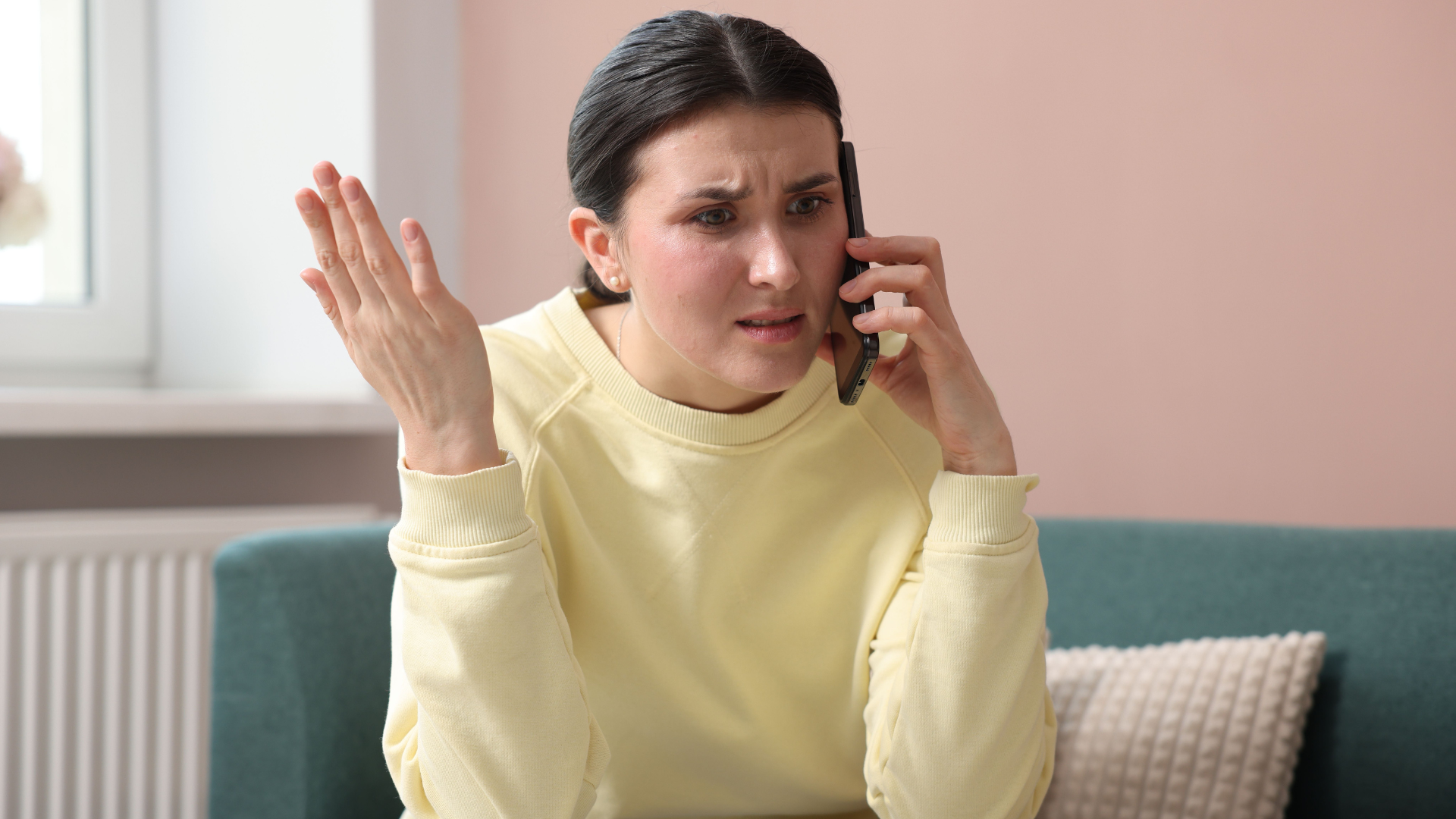
Protest behaviors are indirect ways of trying to get emotional needs met, often rooted in early attachment experiences.
Protest behavior sounds like it could be political terminology — in fact, like many of the ideas connected to attachment theory, it calls back to our childhood. As young children, we weren’t always in a position to get our needs met directly — when we were very young, we were literally unable to articulate them, and when we were older, we still didn’t have a lot of agency. Young children (and older ones) find indirect or nonverbal ways to get their needs met — think about a baby throwing its bowl onto the floor to indicate it’s done eating and wants to get down from the high chair.
For those of us with attachment wounds, we also had to use indirect behaviors to get our emotional and psychological needs met in the home, and we tend to still employ those same moves when we feel like our needs aren’t being met in our adult relationships. But while protest behaviors like tantrums or faking illness are developmentally appropriate as kids, they’re less appropriate ways to get our needs met as adults — and tend to have disastrous consequences for our relationships.
If you’re caught in the anxious/avoidant cycle with your partner(s), it’s likely that your respective protest behaviors are playing a role in the friction you’re experiencing. One step of moving toward more secure attachment, both individually and as part of a dynamic, is to learn to notice and check your protest behaviors and work on healthier, more effective strategies to get your needs met instead.
What Does Protest Behavior Look Like If You’re Anxiously Attached?

For people with anxious attachment, protest behaviors are often driven by a strong need for connection and fear of disconnection or abandonment.
What your protest behavior looks like is informed by the specific attachment need you’re trying to get met (or undesirable outcome you’re trying to avoid), which itself is linked to your attachment style. An avoidantly attached person might be trying to reaffirm their freedom, security, stability, and ability to protect themselves from harm or pain; for anxiously attached people, they’re working to maintain a connection at all costs and prevent being abandoned. As such, the protest behaviors that anxiously attached people tend towards are generally oriented towards ensuring a response or reaction of some kind from a partner — even if the response is negative, like getting mad, it may still feel reassuring in comparison to feeling unimportant, ignored or invisible.
Anxiously attached protest behaviors can include:
- 💛 Intentionally trying to provoke jealousy or insecurity
- 💛 Excessive attempts to contact someone, like calling 25 times or going to their house uninvited
- 💛 Picking fights, sometimes over unrelated issues
- 💛 Checking a partner’s phone or going through their messages
- 💛 Silent treatment or blocking as a punishment or to test if they’ll keep up trying to contact you
- 💛 Calling while you know they’re busy or socializing with someone else
- 💛 Threatening to break up, or daring the other person to break up
- 💛 Posting something on social media to get a response from them or get a reaction, even a negative one
- 💛 Excessive monitoring or checking of a partner’s social media account
- 💛 Pushing boundaries like time apart or your partner’s desire for alone time
These behaviors are totally understandable as instinctive reactions likely dating all the way back to your childhood designed to try to bid for your partner’s attention, see evidence that you matter to them, or get them to interact with or connect with you in some way. But they’re ultimately counterproductive to the outcome of an overall secure relationship, and we can learn better ways to express what we need from a partner.
What Are Healthier Ways to Express the Same Needs?

Healthier strategies focus on expressing the need for connection directly rather than relying on reactive or indirect behaviors.
At their core, anxious attachment protest behaviors are about trying to feel connected to the other person. This may seem paradoxical — after all, threatening to break up with someone sure seems like pushing them away. But in fact, most of even the antagonistic protest behaviors tend to be designed to elicit a reaction from our partner that shows us how much we matter to them, and to affirm to ourselves that they want to stay in connection with us. Often, even a “negative” reaction, like someone being angry or hurt, feels like a connection because at least our partner is registering us and telling us how they feel.
Asking for connection when the relationship feels less than stable feels risky and scary; we are terrified of being rejected or feeling exposed when we admit how important connection is to us and how much we want it. Going about it indirectly (or, as some might say, passive-aggressively) feels like it will help us mitigate that emotional risk. But for a secure connection, leaning into the vulnerability of acknowledging you feel disconnected and want to come closer again is what makes your relationship stronger.
How Should Anxiously Attached People Work on Their Protest Behaviors in Relationships?

Developing self-regulation skills helps reduce reliance on protest behaviors and supports more secure, stable connections.
The key to healing your anxious attachment at its core, and the protest behaviors associated with it, is to work on self-regulation. Self-regulation is when we’re able to work with our strong emotions on our own to bring ourselves back within a window of tolerance when we’re very upset or activated, as opposed to co-regulation, in which we rely on connection with another person to help move through our strong emotions. There’s nothing bad with co-regulating — in fact, it’s impossible to have truly intimate healthy relationships without co-regulating — but people with anxious attachment tend to rely on it exclusively. This means that when you experience fear or distress at the thought of losing connection with someone you care about, you aren’t able to cope with those feelings of distress effectively, and may lash out with protest behaviors.
There will always be challenging moments in important relationships, and for people with anxious attachment the fear of losing connection may be very present; the goal isn’t to get rid of that fear entirely, but to learn tools to cope with it effectively so you can focus on resolving the challenges in your relationship and finding a way forward with your partner rather than escalating the situation further with protest behaviors.
For a deeper look at how this dynamic plays out on the other side, you can read about avoidant attachment protest behaviors
Frequently Asked Questions About Anxious Attachment and Protest Behaviors
Are protest behaviors intentional?
Not usually. They are often automatic responses rooted in fear of disconnection.
Why do anxious attachment patterns feel so intense?
Because they are tied to fear of abandonment and the need for connection, which can activate strong emotional responses.
What’s one small change I can start with?
Pause before reacting and name the need directly, such as “I’m feeling disconnected and want to talk.”
Dr. Frankie Bashan is a licensed psychologist, sex therapist, and professional matchmaker with over 17 years of experience working with Lesbian, Gay, Bi, Trans and Queer individuals and couples. She specializes in relational dynamics, communication, and sexual compatibility. She is the founder of Little Gay Book and host of the Love, Laughs and Lessons podcast.
Recommended Books:
Anxiously Attached: Becoming More Secure in Life and Love;
Healing Anxious Attachment: Stop Relationship Anxiety and Overcome Fear of Abandonment—A Recovery Workbook for Breaking the Anxious-Avoidant Trap and Becoming Securely Attached in Relationships
Attached: The New Science of Adult Attachment and How It Can Help You Find–and Keep– Love
For More Articles Check Out These Recent Posts:
The Protest Behaviors You Need to Work on If You’re Avoidantly Attached
How to Get Out of the Anxious/Avoidant Cycle
Is My Partner Pulling Away, or Do I Just Have Anxious Attachment?
 |
We’re honored to share that Little Gay Book Blog has been named one of the Top 4 Lesbian Dating Blogs on the web by Feedspot! Huge thanks to the Feedspot team for the recognition—and to our amazing readers for being part of this journey. |
Affiliate Disclaimer: Little Gay Book may earn commissions from qualifying purchases made through links on our website. These commissions help to support our work in providing valuable content to our readers. Rest assured, this does not affect the price you pay for any products or services. We only recommend products that we genuinely believe will bring value to our audience. Thank you for your support!